
The Bias I Didn’t Know I Was Carrying
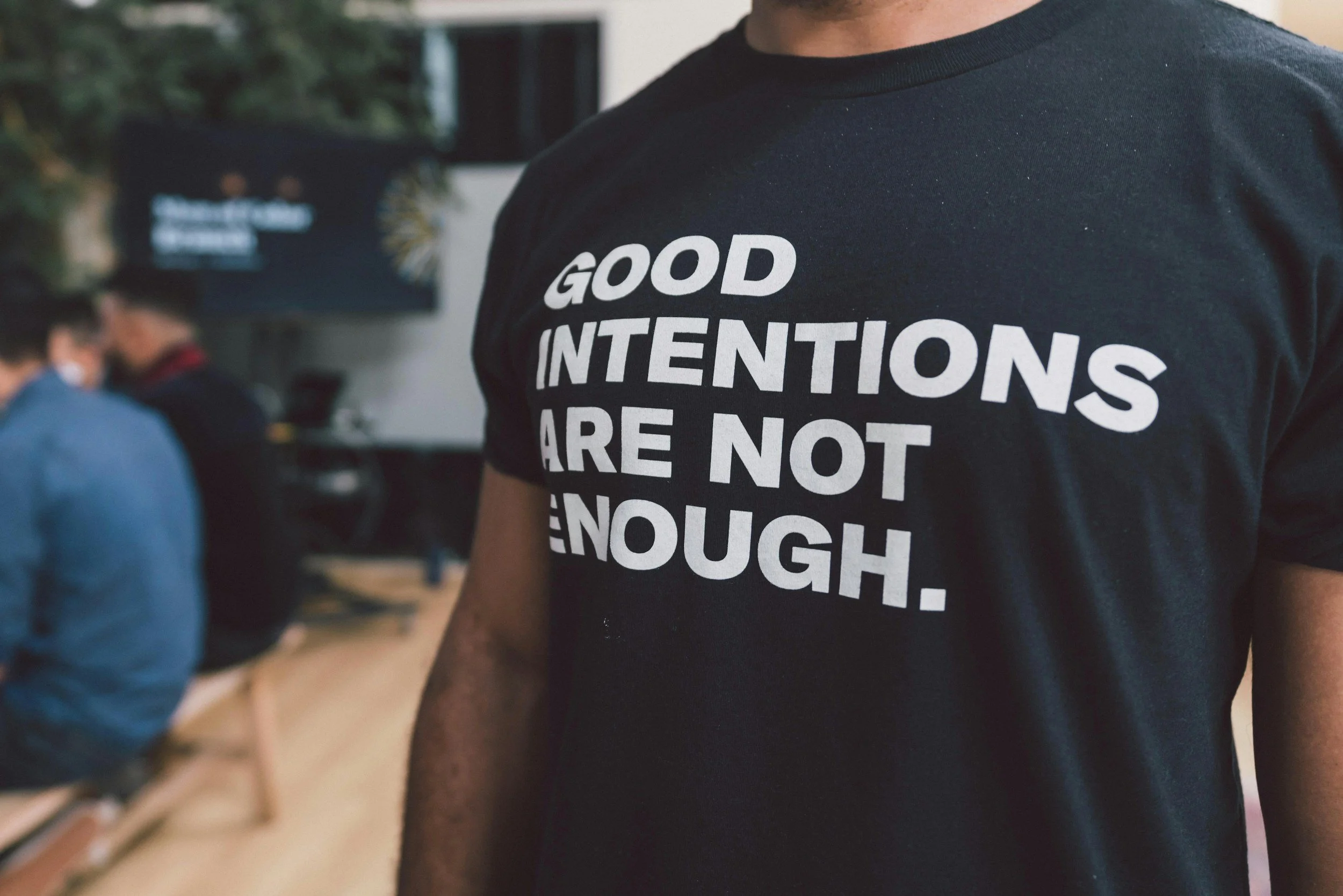
Growth starts the moment we stop defending our intentions and start examining our assumptions.
“There are moments when growth doesn’t feel inspiring or empowering. It feels… a little like getting caught.”
There are moments when growth doesn’t feel inspiring or empowering. It feels… a little like getting caught.
Last month the world celebrated Non-Binary Parents Day, and I found myself sitting with a realization I didn’t love. I’m a queer parent. I’ve built a career around inclusion, leadership, and helping people feel seen. And still… I caught my own bias in real time.
Not loud bias. Not intentional bias. The quiet kind. The kind that lives in the background and shapes how we think without asking for permission. Because here’s the truth: Even in my own brain, I’ve been defaulting to the binary.
Mother’s Day. Father’s Day. Mom roles. Dad roles. Even when I stretch that thinking, I’ve historically stretched it to include single parents, grandparents, caregivers… But still inside a structure that assumes two lanes. And when I thought about my non-binary friends and colleagues who are parents?
If I’m being really honest… my brain was still trying to “sort” them into one of those lanes.
Not because I believe that’s correct.
Not because I want to erase who they are.
But because that’s how I was trained to think.
The uncomfortable truth about bias
Bias isn’t just about what we believe. It’s about what our brains do automatically. It’s the mental shortcuts we were handed by culture, language, systems, and repetition. The file folders our brains built long before we started questioning them.
Out of curiosity, after I had this realization about my own brain hit me like a truck, I took the Implicit Association Test. And here’s what made me pause. My results showed a moderate automatic preference for gay people over straight people. Which, as a member of the queer community, wasn’t exactly shocking. But it did something important.
It reminded me that bias isn’t just about whether we feel positively or negatively toward a group. Because that result didn’t protect me from the realization I had about non-binary parents.
Those are two different things:
One is about association (good/bad)
The other is about framework (how we categorize people at all)
And if we’re not paying attention, we can feel aligned in one area while still operating on outdated assumptions in another. That’s the part we don’t talk about enough.
When this shows up in real time
This didn’t just live in my head this morning. It showed up in real time. While I was standing in the shower, thinking about Non-Binary Parents Day and unpacking my own bias, I was also thinking about how I’ve been navigating conversations with our PrideVMC board that sit right in this same space. The world is attacking our queer community at record speed right now. And we’ve been grappling with those attacks in very real and human ways that have frankly, gotten a little messy. Arguments. Hurt feelings. Action and inaction. Pushing and pulling against differences. And this is where it gets a little uncomfortable… but important.
All of the questions and discussion is from people who:
are part of the LGBTQ+ community or strong allies
have completed allyship training
have even helped build the very resources we point people to
And still… we’re bumping into moments where bias, assumptions, or different interpretations of “what good looks like” are showing up. Not in a malicious way. Not in a “someone is doing something wrong” way. In a human way.
This is the part we don’t say out loud
We want to believe that being wonderful humans; being part of the queer community; being leaders; doing the training and learning for ourselves and as a group and helping create the work means we’ve arrived. That we’re “good” on this front. But that’s not how this works. My IAT results reminded me of that.
Because even when my automatic associations lean in a direction I feel aligned with… I still uncovered a blind spot in how I was thinking about non-binary parents. Those two things can exist at the same time. And if that’s true for me? It’s true for all of us.
Allyship isn’t a badge you earn
This is the part I keep coming back to. Allyship isn’t something you achieve and check off a list. It’s not:
✔️ Took a training
✔️ Read a book
✔️ Updated your pronouns in your email signature
Done. You’re good.
That version of allyship is comfortable. Static. If we’re being honest… sometimes performative. Real allyship is active. It is always in motion. It asks you to stay curious. To notice when something feels off in your own thinking. To pause and ask: Where did that come from? And then to do something about it.
Even when it’s inconvenient.
Even when it’s a little uncomfortable.
Even when it means saying, “Yeah… I missed something here.”
The leadership ask (this is the work)
So here’s the challenge, especially for those of us in leadership roles: We have to stop treating growth like a milestone. This work isn’t something we complete. It’s something we practice. Over and over again. It means being willing to:
revisit things we think we already understand
hear feedback without immediately defending our intent
acknowledge that expertise doesn’t equal immunity from bias
stay open, even when the conversation feels frustrating or repetitive
Because leadership in this space isn’t about having the right answers. It’s about having the willingness to keep asking better questions.
So what do we do with that?
For me, it starts here:
1. Notice without defensiveness: The goal isn’t to prove you’re a good person. The goal is to get better. Sit with it instead of explaining it away.
2. Get specific: Where is the bias actually showing up? Language? Assumptions? The way we celebrate parents? The way we design systems?
3. Expand the frame: If your mental model only has two boxes, build more. Or better yet, question why the boxes exist at all.
4. Learn from the people living it: Listen more than you talk. Seek out perspectives that challenge your default thinking.
5. Adjust your actions: This is where it becomes real. How do your words, policies, celebrations, or leadership practices need to shift?
Because inclusion doesn’t happen in intention. It happens in design.
The point isn’t perfection
I didn’t have this realization because I did something wrong yesterday. I had it because I was paying attention. And that’s the work. Not perfection.
Not instant expertise. Not a finish line. Just a willingness to keep evolving, even when it’s uncomfortable.
Because the people in our communities, on our teams, and in our lives deserve more than our intentions. They deserve our effort. And that effort doesn’t end when we’ve done the training, checked the box, or even helped build the system. It continues in the moments where we realize… we still have something to learn.
Where might your brain still be defaulting to a framework that no longer fits the people you care about?
And what would it look like to gently, intentionally… rewrite that?
💗 Stephanie